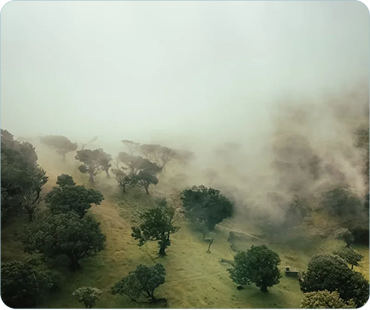
Brazil, the largest country in South America and the fifth-largest in the world by area and population, is a vibrant and diverse travel destination. Known for its lush Amazon rainforest, iconic beaches, rhythmic samba music, and dynamic cities, Brazil offers something for every traveler — from adventure seekers to cultural enthusiasts.
Geographical & Demograp hic Information
Continent: South America
- Capital: Brasília
- Largest City: São Paulo
- Area: 8.5 million square kilometers (approx. 3.28 million sq miles)
- Population: Approx. 215 million (as of 2025)
- Official Language: Portuguese
- Currency: Brazilian Real (BRL)
- Time Zones: 4 time zones (UTC -2 to UTC -5)
Climate and Best Time to Visit
Brazil's climate varies by region due to its vast size:
- Amazon (North): Hot and humid year-round (average temp: 26–30°C)
- Coastal Cities (Rio, Salvador): Tropical, warm all year (best months: May–September)
- South (Curitiba, Porto Alegre): Subtropical, cooler winters
- Best Time to Visit:
- June to September: Dry season in Amazon and Pantanal
- February or March: Carnival season (vibrant and festive, but crowded)
- December to March: Ideal for beach holidays
Top Destinations in Brazil
Rio de Janeiro
- Christ the Redeemer statue (One of the New 7 Wonders of the World)
- Sugarloaf Mountain cable car rides
- Copacabana & Ipanema beaches
- World-famous Carnival
Amazon Rainforest (Manaus Gateway)
- Largest tropical rainforest on Earth
- River cruises, jungle lodges, indigenous tribes
- Over 16,000 tree species and 400+ mammals
Pantanal (Wildlife Safari)
- World’s largest tropical wetland
- High chance to spot jaguars, caimans, capybaras
- Ideal for eco-tourism and birdwatching
Salvador
- Afro-Brazilian culture and colonial history
- Colorful Pelourinho district (UNESCO site)
- Capoeira and traditional Bahian cuisine
Florianópolis & Beaches of the South
- Surfer’s paradise with over 40 beaches
- Lively nightlife and seafood culture
Foz do Iguaçu
- Iguaçu Falls: One of the world’s largest waterfall systems (UNESCO World Heritage)
- Borders Argentina and Paraguay
Culture & Festivals
- Carnival: Largest festival in Brazil, featuring samba parades, costumes, and street parties
- Festa Junina: June harvest festival celebrated in the Northeast
- New Year’s Eve (Réveillon): Copacabana Beach celebration with fireworks
- Cultural Highlights: Strong Afro-Brazilian influence (music, religion, cuisine)
- Capoeira: A martial art mixed with dance
- Samba and Bossa Nova music genres
Cuisine
- Brazilian cuisine varies by region, influenced by indigenous, African, and European traditions:
- Feijoada: National dish, black bean stew with pork
- Churrasco: Brazilian-style barbecue
- Moqueca: Seafood stew with coconut milk (Bahian origin)
- Pão de queijo: Cheesy bread snacks
Travel Tips & Essentials
- Visa: Many countries (EU, US, Canada) can enter visa-free for up to 90 days (check current regulations)
- Vaccinations: Yellow fever recommended for Amazon region
Safety Tips:
- Avoid showing valuables in public areas
- Use registered taxis or ride apps
- Stay informed about local areas before exploring
- Languages: Portuguese is widely spoken; English is limited outside tourist areas
- Transportation:
- Domestic flights widely available
- Buses are common for long-distance travel
- Metro systems in large cities like São Paulo and Rio
Tourism Statistics (Pre-COVID and Recent Trends)
- Annual international visitors: ~6.6 million (2019 data)
- Top source countries: Argentina, USA, Chile, Paraguay, France
- Tourism GDP contribution: ~8% of Brazil’s GDP
- Post-COVID recovery: Rising tourist numbers in 2023–2025 due to eco-tourism and cultural events
Why Visit Brazil?
Unique biodiversity (Amazon, Pantanal, Atlantic Forest)
Rich and diverse cultural heritage
World-famous beaches and landmarks
Warm, welcoming people
Affordable travel options (compared to other global destinations)