The Tiananmen, a gate in the wall of the Imperial City, was built in 1415 during the Ming dynasty. In the 17th century, fighting between Li Zicheng’s rebel forces and the forces of the Manchu-led Qing dynasty caused heavy damage to, or even destroyed, the gate. Tiananmen Square was designed and built in 1651, and has since been enlarged by four times its original size in the 1950s
Near the centre of the square stood the “Great Ming Gate”, the southern gate to the Imperial City, renamed “Great Qing Gate” during the Qing dynasty, and “Gate of China” during the Republican era. Unlike the other gates in Beijing, such as the Tiananmen and the Zhengyangmen, this was a purely ceremonial gateway, with three arches but no ramparts, similar in style to the ceremonial gateways found in the Ming tombs. This gate had a special status as the “Gate of the Nation”, as can be seen from its successive names. It normally remained closed, except when the Emperor passed through. Commoner traffic was diverted to side gates at the western and eastern ends of the square, respectively. Because of this diversion in traffic, a busy marketplace, called “Chess Grid Streets”, was developed in the big, fenced square to the south of this gate.


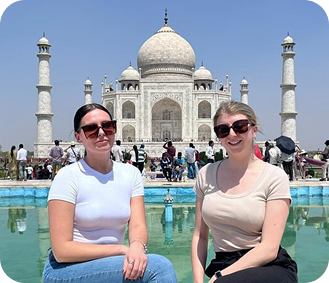
You will be met at Agra railway station by another of our English-speaking drivers to transfer to your hotel for check-in and breakfast.

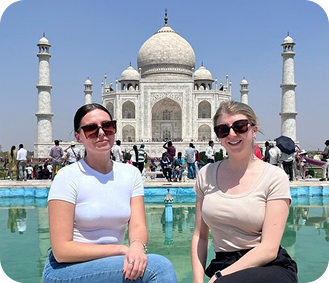
Option to visit Taj Mahal at sunrise, followed by breakfast at your hotel and time to relax before departure.
After breakfast at hotel, leave for sightseeing to include some of the city’s other major tourist attractions
Club
 Daily yoga session
Boat ride in places
Breakfast at all places
Daily yoga
Boat ride
Breakfast at all places
Daily yoga session
Boat ride in places
Breakfast at all places
Daily yoga
Boat ride
Breakfast at all places
Get Free Quote Of Our Best Custom Made Packages